Imagine managing your entire customer relationship right from your smartphone—seamlessly, efficiently, and in real time. That’s the power of a phone based CRM. No more bulky laptops or delayed updates. Just pure, mobile-driven productivity at your fingertips.
What Is a Phone Based CRM?

A phone based CRM is a customer relationship management system designed specifically to operate primarily on smartphones and mobile devices. Unlike traditional CRM platforms that were built for desktop use and later adapted for mobile, a phone based CRM is engineered from the ground up for mobility, ensuring faster access, better usability, and real-time synchronization across teams.



Core Definition and Functionality
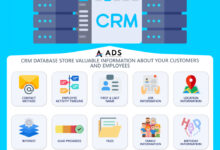
At its heart, a phone based CRM helps businesses manage interactions with current and potential customers. It stores contact information, tracks communication history, logs sales activities, and often integrates with calendars, email, and calling features—all accessible from a mobile device. This allows sales reps, customer service agents, and field teams to stay connected and productive no matter where they are.
- Centralized customer data accessible on mobile devices
- Real-time updates across teams and locations
- Integration with native phone features like calls, SMS, and GPS
“The future of CRM isn’t on a desktop—it’s in your pocket.” – TechCrunch, 2023
Evolution from Desktop to Mobile-First CRM
Traditional CRM systems like Salesforce and HubSpot started as desktop-centric platforms. While they now offer mobile apps, their core architecture wasn’t built for touch interfaces or on-the-go workflows. A phone based CRM, on the other hand, prioritizes mobile usability. Features like voice-to-text notes, one-tap calling, and location-based task reminders are standard, not add-ons.
According to a Gartner report, mobile CRM usage grew by 38% between 2021 and 2023, driven by remote work and field sales demands. This shift has pushed developers to create solutions where the mobile app isn’t a secondary tool—but the primary interface.
Why Phone Based CRM Is a Game-Changer for Sales Teams
Sales professionals are rarely at their desks. They’re meeting clients, attending events, or driving between locations. A phone based CRM empowers them with instant access to customer data, enabling faster follow-ups, better personalization, and higher close rates.
Real-Time Access to Customer Data
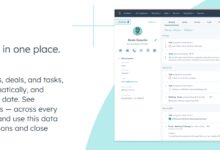
With a phone based CRM, sales reps can pull up a client’s purchase history, past communications, and open deals within seconds—right before a meeting. This eliminates awkward pauses and ensures every conversation is informed and relevant.
- Instant access to deal stages and notes
- View recent interactions before making a call
- Update deal status immediately after a meeting
For example, a rep using Zoho CRM’s mobile app can scan a business card, automatically create a lead, and assign a follow-up task—all without opening a laptop.
Improved Follow-Up Speed and Accuracy
Speed matters in sales. Research by Salesforce shows that the odds of qualifying a lead drop by 400% if the follow-up takes longer than 10 minutes. A phone based CRM enables reps to log calls, send emails, and schedule meetings instantly after a conversation.
Features like automated call logging and voice memo transcription ensure nothing is missed. This reduces manual data entry and increases accuracy, leading to better forecasting and reporting.
“When your CRM lives on your phone, every interaction becomes an opportunity to act—immediately.”
Top Features of a Modern Phone Based CRM
Not all mobile CRM apps are created equal. A true phone based CRM goes beyond basic contact management. It integrates deeply with the device’s hardware and operating system to deliver a seamless, intuitive experience.
Offline Mode and Sync Capabilities
Field workers often operate in areas with poor connectivity. A robust phone based CRM allows users to view and edit records offline. Once the device reconnects, all changes are automatically synced to the cloud.
- Edit contacts, log calls, and update tasks without internet
- Automatic background sync when connection is restored
- Data encryption ensures security during transfer
Platforms like Microsoft Dynamics 365 offer advanced offline capabilities, making them ideal for remote teams.
Integration with Native Phone Functions
The best phone based CRM tools integrate directly with the phone’s dialer, SMS, calendar, and GPS. This means users can make calls directly from the app, send templated SMS messages, set location-based reminders, and navigate to client addresses with one tap.
For instance, a sales rep visiting a client can receive a push notification with the client’s profile as they approach the location—thanks to geofencing technology.
Voice-to-Text and AI-Powered Notes
Manually typing notes after a call is time-consuming. Modern phone based CRM systems use AI to transcribe voice calls into text and extract key details like action items, dates, and sentiment.
Tools like Gong and Chorus integrate with CRM platforms to provide real-time conversation intelligence, helping reps improve their pitch and close more deals.
Industries That Benefit Most from Phone Based CRM
While every business can gain from mobile CRM access, certain industries see exponential improvements in efficiency and customer satisfaction when adopting a phone based CRM.
Sales and Field Representatives
Sales teams that operate outside the office—such as in real estate, automotive, or pharmaceutical sales—rely heavily on mobility. A phone based CRM allows them to manage leads, update pipelines, and report performance from any location.
- Real-time pipeline updates from client sites
- Photo uploads of signed contracts or site conditions
- GPS-tracked visits for accountability and routing
For example, a real estate agent can show a property, capture client feedback via voice note, and update the lead status—all before leaving the driveway.
Service and Maintenance Technicians
Field service teams use phone based CRM to access work orders, view equipment history, and request parts. After completing a job, they can generate invoices, collect signatures, and send customer satisfaction surveys—all from their phone.
This reduces paperwork, speeds up billing, and improves customer experience. Companies like ServiceMax specialize in mobile-first solutions for industrial service teams.
Small Business Owners and Solo Entrepreneurs
For small businesses, time is the most valuable resource. A phone based CRM eliminates the need for multiple tools. One app can handle contacts, scheduling, invoicing, and follow-ups—making it easier to scale without hiring additional staff.
Platforms like HubSpot CRM offer free mobile apps with powerful features, making them accessible to startups and solopreneurs.
How to Choose the Right Phone Based CRM for Your Business
Selecting the right phone based CRM requires evaluating your team’s workflow, technical needs, and long-term goals. Not every solution fits every business.
Assess Your Team’s Mobile Usage Patterns
Start by observing how your team uses their phones for work. Do they make frequent calls? Need GPS tracking? Work offline? The answers will guide your feature requirements.
- Track how often reps access CRM data on mobile
- Identify pain points in current workflows
- Survey team members on desired mobile features
A business with a remote sales force will prioritize offline access and call integration, while a customer support team might value chat and ticketing features.
Evaluate Integration with Existing Tools
Your phone based CRM should connect seamlessly with your email, calendar, marketing automation, and accounting software. Look for platforms with robust API support and pre-built integrations.
For example, if your team uses Gmail and Google Calendar, a CRM that syncs natively with G Suite will reduce friction and improve adoption.
Test User Experience and Adoption Likelihood
No matter how powerful a CRM is, it’s useless if your team won’t use it. A phone based CRM should be intuitive, fast, and visually clean. Conduct a pilot test with a small group to gauge usability and gather feedback.
Key UX factors include:
- Load speed on mobile networks
- Touch-friendly interface
- Minimal taps to complete common tasks
“If your CRM feels like a chore to use, adoption will fail—no matter how many features it has.”
Common Challenges and How to Overcome Them
While phone based CRM offers many advantages, it’s not without challenges. Addressing these early ensures a smoother rollout and higher long-term success.
Data Security and Privacy Concerns
Storing sensitive customer data on mobile devices raises security risks. Lost phones, unsecured Wi-Fi, and malware can compromise information.
Solutions include:
- Enabling remote wipe for lost devices
- Using two-factor authentication (2FA)
- Encrypting data both in transit and at rest
Choose a CRM provider that complies with GDPR, HIPAA, or other relevant regulations based on your industry.
Ensuring Data Accuracy and Consistency
When multiple users update records from different locations, duplicate entries or conflicting data can occur. A phone based CRM must have strong data validation and deduplication tools.
Implement rules such as:
- Automatic duplicate detection during lead entry
- Mandatory fields for key information
- Approval workflows for critical updates
Regular audits and training can further improve data hygiene.
Managing Offline vs. Online Synchronization
While offline mode is a strength, poor sync management can lead to data loss or version conflicts. Ensure your CRM uses intelligent conflict resolution—for example, prompting users when two versions of a record exist.
Also, educate users on best practices, such as manually syncing when back online to avoid delays.
Future Trends in Phone Based CRM Technology
The phone based CRM space is evolving rapidly, driven by advancements in AI, 5G, and wearable technology. Staying ahead of these trends can give businesses a competitive edge.
AI-Powered Predictive Analytics
Future phone based CRM systems will use AI to predict customer behavior, recommend next steps, and even draft personalized messages. For example, the CRM might suggest calling a client who hasn’t responded in 48 hours, based on historical engagement patterns.
These insights will be delivered as push notifications, making them actionable in real time.
Integration with Wearables and Voice Assistants
As smartwatches and voice assistants become more capable, CRM functions will extend to these devices. Imagine a sales rep receiving a lead alert on their Apple Watch or asking Siri to log a call in their CRM.
Companies like Salesforce are already experimenting with voice-enabled CRM commands through Alexa and Google Assistant.
Augmented Reality (AR) for Field Service
AR-enabled phone based CRM apps will allow technicians to overlay digital instructions on physical equipment through their phone’s camera. This can reduce errors, speed up repairs, and improve training.
For example, a HVAC technician could point their phone at a furnace and instantly see service history, part numbers, and troubleshooting guides.
What is a phone based CRM?
A phone based CRM is a customer relationship management system designed primarily for smartphones. It allows users to manage contacts, track interactions, and update sales pipelines directly from their mobile device, often with enhanced features like offline access, call integration, and GPS tracking.
How does a phone based CRM improve sales productivity?
It enables real-time access to customer data, faster follow-ups, and seamless logging of calls and meetings. Sales reps can update records instantly, reducing manual entry and improving accuracy, which leads to better forecasting and higher conversion rates.
Can a phone based CRM work without internet?
Yes, many modern phone based CRM platforms offer offline mode. Users can view and edit records, log activities, and sync data once the connection is restored, making them ideal for field teams in low-connectivity areas.
Is my data safe in a phone based CRM?
Reputable phone based CRM providers use encryption, two-factor authentication, and compliance with data protection regulations (like GDPR) to secure your information. However, users should also enable device-level security like passcodes and remote wipe.
Which industries benefit most from phone based CRM?
Sales teams, field service technicians, real estate agents, and small business owners benefit the most. Any role that requires mobility and real-time customer interaction gains significant efficiency from a phone based CRM.
In conclusion, a phone based CRM is no longer a luxury—it’s a necessity for modern, mobile-first businesses. From boosting sales productivity to enhancing customer service, the benefits are clear and measurable. By choosing the right platform, addressing security concerns, and staying ahead of technological trends, businesses can unlock unprecedented levels of efficiency and customer engagement. The future of CRM is mobile, and it’s already here.
Further Reading: