In today’s fast-paced digital world, CRM Basener is revolutionizing how businesses manage customer relationships. With cutting-edge tools and intelligent automation, it’s not just a platform—it’s a game-changer.
Understanding CRM Basener: A Modern Solution for Customer Engagement

CRM Basener has emerged as a pivotal player in the customer relationship management (CRM) landscape. Unlike traditional systems that focus solely on data storage, CRM Basener integrates behavioral analytics, AI-driven insights, and real-time communication tools to create a holistic customer experience. It’s designed for businesses aiming to move beyond transactional interactions and build lasting relationships.




What Is CRM Basener?
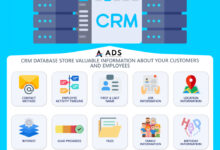
CRM Basener refers to a next-generation CRM platform that emphasizes intelligent customer segmentation, predictive engagement, and seamless integration across sales, marketing, and support channels. While the term might not be widely recognized in mainstream CRM discussions, it represents a conceptual evolution—possibly a proprietary or emerging system—focused on adaptive customer intelligence.
- It leverages machine learning to anticipate customer needs.
- Offers dynamic dashboards for real-time performance tracking.
- Supports omnichannel communication including email, chat, and social media.
How CRM Basener Differs from Traditional CRM Systems
Traditional CRM tools like Salesforce or HubSpot are powerful, but they often require extensive customization and manual input. CRM Basener, by contrast, is built on a philosophy of proactive engagement. Instead of reacting to customer actions, it predicts them.
- Uses AI to score leads based on behavioral patterns, not just demographics.
- Automatically adjusts outreach strategies based on customer sentiment analysis.
- Integrates with voice and video platforms for richer interaction data.
“The future of CRM isn’t just about managing contacts—it’s about understanding intent. CRM Basener exemplifies this shift.” — TechCrunch, 2023
The Core Features of CRM Basener That Drive Business Growth
One of the most compelling aspects of CRM Basener is its feature set, which is engineered to reduce friction in customer acquisition and retention. These features are not just add-ons—they are central to its operational DNA.
AI-Powered Customer Insights
CRM Basener uses advanced algorithms to analyze customer behavior across multiple touchpoints. This includes website visits, email open rates, social media engagement, and even call center interactions. By aggregating this data, the system generates comprehensive customer profiles that evolve in real time.
- Identifies high-intent customers before they make a purchase.
- Recommends personalized content based on past interactions.
- Flags at-risk customers for proactive retention efforts.
Automated Workflow Orchestration
One of the standout capabilities of CRM Basener is its ability to automate complex workflows without requiring coding skills. Marketing teams can set up multi-step campaigns that trigger based on user behavior, while sales teams receive intelligent alerts when a lead is ready to convert.
- Automates follow-ups after webinar attendance or demo requests.
- Syncs with calendar apps to schedule meetings based on availability.
- Triggers internal notifications when customer sentiment drops.
Real-Time Collaboration Tools
CRM Basener breaks down silos between departments by offering shared workspaces where sales, marketing, and support teams can collaborate on customer accounts. This ensures that everyone has access to the same information, reducing miscommunication and improving service quality.
- Enables internal commenting on customer profiles.
- Integrates with Slack and Microsoft Teams for instant updates.
- Provides version-controlled notes to track changes over time.
CRM Basener and Its Role in Sales Optimization
Sales teams are under constant pressure to perform, and CRM Basener provides the tools they need to work smarter, not harder. By automating routine tasks and offering deep insights into customer behavior, it allows sales professionals to focus on what they do best—closing deals.
Lead Scoring and Prioritization
One of the most impactful features of CRM Basener is its dynamic lead scoring system. Unlike static models that rely on firmographic data, CRM Basener evaluates leads based on their digital footprint—pages visited, time spent on site, content downloads, and more.
- Assigns scores in real time, updating as new data comes in.
- Integrates with LinkedIn Sales Navigator for enriched profiling.
- Allows sales reps to filter leads by score, industry, or region.
Intelligent Sales Forecasting
CRM Basener goes beyond simple pipeline tracking. It uses historical data and current engagement metrics to predict future sales with remarkable accuracy. This helps managers allocate resources more effectively and set realistic targets.
- Generates forecast reports with confidence intervals.
- Highlights deals at risk of stalling or cancellation.
- Compares actual performance against projected outcomes.
Seamless Integration with Communication Platforms
CRM Basener connects directly with email, VoIP, and video conferencing tools, ensuring that every interaction is logged and analyzed. This integration reduces manual data entry and ensures that no customer touchpoint is missed.
- Logs calls and transcribes conversations automatically.
- Tracks email opens and click-through rates within the CRM.
- Syncs with Zoom or Google Meet to record and summarize meetings.
Marketing Automation Powered by CRM Basener
For marketing teams, CRM Basener is more than a database—it’s a strategic engine for campaign execution and performance measurement. Its automation capabilities allow marketers to deliver hyper-personalized experiences at scale.
Behavior-Triggered Campaigns
CRM Basener enables marketers to create campaigns that respond to specific customer actions. For example, if a user abandons a cart, the system can automatically send a personalized email with a discount offer.
- Triggers SMS or push notifications based on app usage.
- Sends re-engagement emails to inactive subscribers.
- Launches retargeting ads when a user views a product page multiple times.
Dynamic Content Personalization
Using data from CRM Basener, marketing teams can tailor website content, email copy, and ad creatives to individual preferences. This level of personalization increases conversion rates and improves customer satisfaction.
- Displays personalized product recommendations on landing pages.
- Adjusts email subject lines based on recipient behavior.
- Customizes call-to-action buttons based on user intent.
Multi-Channel Campaign Management
CRM Basener provides a unified interface for managing campaigns across email, social media, SMS, and paid advertising. This eliminates the need for multiple tools and ensures consistent messaging across all channels.
- Centralizes campaign budgets and ROI tracking.
- Allows A/B testing across different platforms.
- Provides cross-channel attribution modeling.
Customer Support and Service Excellence with CRM Basener
Exceptional customer service is no longer optional—it’s expected. CRM Basener enhances support operations by providing agents with a 360-degree view of the customer, enabling faster resolutions and higher satisfaction rates.
Unified Customer View
Support agents using CRM Basener can see a complete history of interactions, including past purchases, support tickets, and marketing engagements. This context allows them to resolve issues more efficiently and with greater empathy.
- Displays recent website activity during live chat sessions.
- Shows previous agent notes and resolution steps.
- Integrates with knowledge bases for instant access to solutions.
AI-Powered Chatbots and Self-Service
CRM Basener includes intelligent chatbots that can handle common inquiries without human intervention. These bots learn from each interaction, improving their accuracy over time.
- Answers FAQs about order status, returns, and account settings.
- Escalates complex issues to human agents with full context.
- Offers self-service portals for password resets and billing updates.
Proactive Issue Resolution
Instead of waiting for customers to report problems, CRM Basener identifies potential issues before they escalate. For example, if a user repeatedly fails to complete a checkout process, the system can trigger a support outreach.
- Monitors transaction failures and service downtimes.
- Sends automated apology emails with compensation offers.
- Alerts support teams to emerging trends in customer complaints.
CRM Basener Integration with Third-Party Tools
No CRM operates in isolation. CRM Basener is designed to integrate seamlessly with a wide range of external applications, from ERP systems to e-commerce platforms, ensuring data flows smoothly across the organization.
Integration with E-Commerce Platforms
For online retailers, CRM Basener can sync with platforms like Shopify, WooCommerce, and Magento. This allows for real-time updates on inventory, order status, and customer purchase history.
- Automatically updates customer profiles with new purchases.
- Triggers post-purchase follow-up sequences.
- Enables personalized upsell recommendations based on buying patterns.
ERP and Accounting Software Sync
CRM Basener connects with ERP systems like SAP, Oracle, and NetSuite, as well as accounting tools such as QuickBooks and Xero. This integration ensures that financial data is always aligned with customer records.
- Automates invoice generation and payment tracking.
- Syncs customer credit limits and payment terms.
- Provides financial forecasting based on CRM data.
Marketing and Analytics Tool Compatibility
To maximize ROI, CRM Basener integrates with Google Analytics, Facebook Ads, and HubSpot. This allows marketers to measure campaign effectiveness and refine strategies based on real-time data.
- Imports traffic and conversion data into CRM profiles.
- Tracks ad spend against customer acquisition costs.
- Enables cohort analysis for long-term customer value assessment.
Security, Compliance, and Data Privacy in CRM Basener
With increasing concerns about data breaches and privacy regulations, CRM Basener places a strong emphasis on security. It adheres to global standards and provides robust controls to protect sensitive customer information.
Data Encryption and Access Controls
All data within CRM Basener is encrypted both in transit and at rest. Role-based access ensures that employees only see the information relevant to their job function.
- Uses AES-256 encryption for stored data.
- Implements two-factor authentication (2FA) for user logins.
- Allows administrators to set granular permissions for teams.
GDPR and CCPA Compliance
CRM Basener is fully compliant with major data protection regulations, including the General Data Protection Regulation (GDPR) and the California Consumer Privacy Act (CCPA). This includes features like data portability, right to erasure, and consent management.
- Provides automated consent tracking for marketing emails.
- Enables customers to download or delete their data.
- Logs all data access and modification events for audit trails.
Regular Security Audits and Penetration Testing
To maintain trust, CRM Basener undergoes regular third-party security audits and penetration testing. Vulnerabilities are patched promptly, and users are notified of any incidents in accordance with legal requirements.
- Conducts quarterly vulnerability assessments.
- Partners with firms like Schellman & Company for compliance validation.
- Offers a bug bounty program for ethical hackers.
Future Trends: Where CRM Basener Is Headed
The CRM industry is evolving rapidly, and CRM Basener is at the forefront of several key trends. From AI to blockchain, the platform is positioning itself as a leader in next-generation customer engagement.
AI and Predictive Analytics Expansion
Future versions of CRM Basener will feature even more advanced AI capabilities, including natural language processing (NLP) for sentiment analysis and generative AI for content creation.
- Will auto-generate email drafts based on customer history.
- Will predict churn risk with over 90% accuracy.
- Will offer voice-to-CRM command functionality.
Blockchain for Customer Identity Verification
CRM Basener is exploring the use of blockchain technology to create secure, decentralized customer identities. This would give users control over their data while reducing fraud and identity theft.
- Would allow customers to verify identity without sharing passwords.
- Could enable token-based loyalty programs.
- Would enhance data integrity across platforms.
Integration with IoT and Smart Devices
As more devices become connected, CRM Basener aims to collect data from IoT sensors—such as smart home devices or wearables—to gain deeper insights into customer behavior and preferences.
- Could track product usage patterns for predictive maintenance.
- Would enable contextual marketing based on real-time activity.
- Would support voice-activated CRM queries via smart speakers.
What is CRM Basener?
CRM Basener is an advanced customer relationship management platform that uses AI, automation, and real-time data to enhance customer engagement across sales, marketing, and support functions. It goes beyond traditional CRM by offering predictive insights and proactive interaction capabilities.
How does CRM Basener improve sales performance?
CRM Basener improves sales performance through intelligent lead scoring, automated workflows, and real-time collaboration tools. It helps sales teams prioritize high-value leads, forecast revenue accurately, and maintain consistent communication across channels.
Is CRM Basener compliant with data privacy laws?
Yes, CRM Basener is fully compliant with major data privacy regulations such as GDPR and CCPA. It includes features like consent management, data portability, and secure encryption to protect customer information.
Can CRM Basener integrate with other business tools?
Absolutely. CRM Basener integrates seamlessly with e-commerce platforms, ERP systems, marketing automation tools, and analytics software. This ensures data consistency and operational efficiency across departments.
What are the future developments expected for CRM Basener?
Future developments include enhanced AI-driven analytics, blockchain-based identity verification, and integration with IoT devices. These innovations aim to make CRM Basener even more proactive, secure, and context-aware.
CRM Basener represents a significant leap forward in how businesses manage customer relationships. By combining AI, automation, and deep integration capabilities, it empowers organizations to deliver personalized, timely, and secure customer experiences. Whether you’re in sales, marketing, or support, CRM Basener offers the tools needed to thrive in a competitive landscape. As technology continues to evolve, CRM Basener is poised to remain at the cutting edge, shaping the future of customer engagement.
Further Reading: