Imagine having every customer interaction, preference, and history neatly stored and instantly accessible. That’s the power of a crm base de donnee—your secret weapon for smarter business decisions and stronger client relationships.
What Is a CRM Base de Donnee and Why It Matters

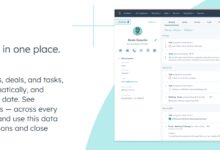
A crm base de donnee is more than just a digital filing cabinet. It’s the backbone of any modern customer relationship management (CRM) system, designed to centralize, organize, and analyze customer data across multiple touchpoints. From contact details to purchase history, support tickets to social media interactions, this database transforms raw information into actionable insights.




Defining CRM and Database Integration
At its core, CRM stands for Customer Relationship Management—a strategy and technology used to manage all interactions with current and potential customers. When combined with a robust database, it becomes a crm base de donnee, enabling businesses to track, segment, and personalize communication at scale.
According to Investopedia, CRM systems help companies improve relationships with customers, streamline processes, and increase profitability. The integration of a database amplifies these benefits by ensuring data accuracy, consistency, and real-time accessibility.
- CRM manages interactions and workflows.
- Database stores structured customer information.
- Together, they form a crm base de donnee that drives strategic decision-making.
Evolution of CRM Databases Over Time
The concept of managing customer data isn’t new. In the 1980s, businesses relied on physical ledgers and basic contact management software. By the 1990s, early CRM tools like Siebel Systems emerged, offering centralized customer tracking. However, these were often on-premise, expensive, and inflexible.
The 2000s brought cloud-based CRM platforms such as Salesforce, revolutionizing how companies access and use customer data. Today’s crm base de donnee solutions are AI-powered, scalable, and integrated with marketing automation, sales pipelines, and customer service modules.
“Data is the new oil” – Clive Humby, mathematician and pioneer of data science.
Core Components of a CRM Base de Donnee
To fully leverage a crm base de donnee, it’s essential to understand its key components. These elements work together to ensure data integrity, usability, and security across departments.
Customer Information Management
This is the foundation of any crm base de donnee. It includes personal details like names, addresses, phone numbers, email addresses, job titles, and company affiliations. Advanced systems also capture behavioral data such as website visits, email opens, and product preferences.
Effective customer information management allows businesses to create detailed buyer personas and tailor communication strategies. For example, a B2B software company can segment leads based on industry, company size, and engagement level.
- Demographic data (age, location, job role)
- Firmographic data (company size, revenue, industry)
- Behavioral data (clicks, downloads, support tickets)
Interaction and Communication Logs
A powerful feature of a crm base de donnee is its ability to record every interaction with a customer. Whether it’s an email sent, a call made, a meeting scheduled, or a chatbot conversation, these logs provide a complete history of engagement.
This transparency improves accountability and continuity. If a sales rep leaves, their successor can pick up right where they left off. According to Salesforce, companies using CRM see a 36% increase in customer satisfaction due to better tracking and follow-up.
“Knowing your customer’s journey means never starting from scratch.”
Data Security and Access Control
With great data comes great responsibility. A crm base de donnee must include robust security protocols to protect sensitive customer information. This includes encryption, multi-factor authentication, role-based access control, and compliance with regulations like GDPR and CCPA.
For instance, only authorized personnel should be able to view financial data or edit contact records. Regular audits and automated alerts help detect suspicious activity and prevent data breaches.
- Role-based permissions (admin, sales, support)
- Data encryption (at rest and in transit)
- Compliance with international privacy laws
Benefits of Implementing a CRM Base de Donnee
Organizations that adopt a well-structured crm base de donnee gain a competitive edge in customer experience, operational efficiency, and revenue growth. Let’s explore the most impactful advantages.
Improved Customer Experience and Personalization
One of the biggest benefits of a crm base de donnee is the ability to deliver hyper-personalized experiences. With access to past purchases, preferences, and support history, businesses can anticipate needs and offer relevant solutions.
For example, an e-commerce brand can recommend products based on browsing behavior or send birthday discounts automatically. Research from McKinsey shows that personalization can reduce acquisition costs by up to 50% and increase revenues by 5-15%.
“Customers don’t expect perfection, but they do expect relevance.”
Enhanced Sales Efficiency and Pipeline Visibility
Sales teams thrive when they have clear visibility into their pipeline. A crm base de donnee provides real-time updates on lead status, deal stages, expected close dates, and activity history.
This transparency helps managers forecast revenue accurately and identify bottlenecks. Automated reminders and task assignments keep reps on track, reducing missed follow-ups and improving conversion rates. HubSpot reports that businesses using CRM see a 29% increase in sales performance.
- Automated lead scoring and routing
- Real-time dashboard reporting
- Integration with email and calendar tools
Better Marketing Campaign Performance
Marketing teams can leverage a crm base de donnee to design targeted campaigns with higher ROI. By segmenting audiences based on behavior, demographics, or lifecycle stage, marketers can send the right message to the right person at the right time.
For example, a SaaS company might target free trial users who haven’t upgraded with a personalized email series highlighting premium features. Campaign performance can then be tracked directly within the CRM, measuring open rates, click-throughs, and conversions.
“Data-driven marketing isn’t optional—it’s essential.”
How to Choose the Right CRM Base de Donnee Platform
Selecting the ideal platform for your crm base de donnee depends on several factors, including business size, industry, budget, and technical capabilities. Here’s how to make an informed decision.
Key Features to Look For
Not all CRM systems are created equal. When evaluating platforms, prioritize features that align with your business goals. Essential functionalities include:
- Contact and account management
- Lead and opportunity tracking
- Automation workflows (email, tasks, notifications)
- Reporting and analytics dashboards
- Mobile access and offline mode
- Third-party integrations (email, calendar, ERP, e-commerce)
Platforms like Zoho CRM, Microsoft Dynamics 365, and Pipedrive offer varying levels of complexity and customization. For small businesses, simplicity and affordability may be key. Larger enterprises might require advanced AI insights and multi-channel support.
Scalability and Customization Options
Your business will grow—and your crm base de donnee should grow with it. Choose a platform that allows you to add users, modules, and custom fields without major overhauls.
Customization is crucial for aligning the CRM with your unique processes. For example, a real estate agency might need custom fields for property types and viewing schedules, while a consulting firm may require project timelines and client feedback forms.
“The best CRM adapts to your business—not the other way around.”
User Adoption and Training Support
Even the most powerful CRM fails if employees don’t use it. A study by Nucleus Research found that low user adoption is the top reason CRM projects fail. To avoid this, choose a platform with an intuitive interface and strong onboarding resources.
Look for vendors that offer:
- Free training webinars and video tutorials
- Dedicated customer success managers
- Active user communities and knowledge bases
- Mobile apps for on-the-go access
Encourage adoption by involving team members in the selection process and providing hands-on training sessions.
Best Practices for Managing a CRM Base de Donnee
Implementing a crm base de donnee is just the beginning. To maximize its value, follow these best practices for ongoing management and optimization.
Data Quality and Regular Audits
Poor data quality is a silent killer of CRM effectiveness. Duplicate entries, outdated emails, and missing fields reduce trust in the system and lead to misinformed decisions.
Establish a data governance policy that includes:
- Standardized data entry formats (e.g., phone numbers, date formats)
- Regular deduplication processes
- Validation rules (e.g., mandatory fields)
- Quarterly data audits to clean and update records
Tools like DemandTools and Cloudingo can automate much of this cleanup, saving time and improving accuracy.
“Garbage in, garbage out”—your CRM is only as good as the data you feed it.
Integration with Other Business Systems
A standalone CRM is powerful, but integrating it with other tools unlocks exponential value. Connect your crm base de donnee with:
- Email marketing platforms (Mailchimp, Constant Contact)
- Accounting software (QuickBooks, Xero)
- Helpdesk systems (Zendesk, Freshdesk)
- E-commerce platforms (Shopify, WooCommerce)
- Project management tools (Asana, Trello)
These integrations eliminate manual data entry, reduce errors, and provide a 360-degree view of the customer. For example, when a customer places an order on Shopify, their purchase history automatically updates in the CRM.
Training and Continuous Improvement
CRM systems evolve, and so should your team’s skills. Schedule regular training sessions to introduce new features, share best practices, and address common challenges.
Encourage feedback from users to identify pain points and areas for improvement. Some organizations appoint “CRM champions” within each department to promote usage and act as internal advocates.
“Continuous learning ensures continuous results.”
Common Challenges and How to Overcome Them
Despite its benefits, implementing a crm base de donnee comes with challenges. Recognizing these early allows you to proactively address them.
Data Silos and Fragmented Information
One of the biggest obstacles is data silos—when customer information is scattered across spreadsheets, email inboxes, and department-specific tools. This leads to inconsistent records and missed opportunities.
Solution: Centralize all customer data into a single crm base de donnee. Enforce a company-wide policy that all customer interactions must be logged in the CRM. Use integration tools to pull data from legacy systems.
Resistance to Change from Employees
Employees may resist adopting a new CRM due to fear of complexity, extra work, or loss of control over their data.
Solution: Involve staff in the selection process, communicate the benefits clearly, and provide hands-on training. Start with a pilot group, celebrate early wins, and showcase success stories to build momentum.
“People don’t resist change—they resist being changed.” – Peter Senge
High Costs and Hidden Fees
While many CRMs offer affordable entry-level plans, costs can escalate with add-ons, user licenses, and customization fees.
Solution: Conduct a total cost of ownership (TCO) analysis before committing. Consider open-source options like SuiteCRM for budget-conscious businesses. Negotiate contracts and look for annual billing discounts.
Future Trends in CRM Base de Donnee Technology
The future of crm base de donnee is shaped by advancements in artificial intelligence, automation, and predictive analytics. Staying ahead of these trends ensures long-term competitiveness.
AI-Powered Predictive Analytics
Modern CRM platforms are incorporating AI to predict customer behavior, such as churn risk, upsell opportunities, and optimal contact times. For example, Salesforce Einstein uses machine learning to recommend next-best actions for sales reps.
These insights allow businesses to be proactive rather than reactive, improving retention and lifetime value.
- Predictive lead scoring
- Churn risk identification
- Automated sentiment analysis from emails and calls
Real-Time Data Synchronization Across Channels
Customers interact across multiple channels—website, phone, social media, chat. A next-generation crm base de donnee synchronizes data in real time, ensuring a consistent experience regardless of touchpoint.
For instance, if a customer chats with support and then calls the sales team, the rep sees the full conversation history instantly. This reduces repetition and builds trust.
“Omnichannel isn’t a buzzword—it’s a business imperative.”
Increased Focus on Data Privacy and Compliance
As data regulations tighten globally, CRM systems must prioritize privacy by design. Expect more built-in tools for consent management, data anonymization, and audit trails.
Platforms will increasingly offer automated compliance checks for GDPR, CCPA, and other frameworks, reducing legal risks and enhancing customer trust.
What is a crm base de donnee?
A crm base de donnee is a centralized database within a Customer Relationship Management (CRM) system that stores, organizes, and manages all customer-related information, enabling businesses to improve interactions, personalize communication, and drive growth.
Why is data quality important in a CRM database?
Poor data quality leads to inaccurate reporting, missed opportunities, and ineffective marketing. Maintaining clean, up-to-date records ensures reliable insights and better decision-making.
Can small businesses benefit from a crm base de donnee?
Absolutely. Even small teams can use a crm base de donnee to track leads, manage customer service, and automate follow-ups, leading to improved efficiency and customer satisfaction.
How does AI enhance a CRM database?
AI analyzes customer data to predict behavior, recommend actions, and automate tasks like lead scoring and sentiment analysis, making CRM systems smarter and more proactive.
What should I look for in a CRM platform?
Look for ease of use, scalability, integration capabilities, mobile access, strong security, and excellent customer support. Choose a platform that fits your budget and long-term business goals.
In today’s data-driven world, a crm base de donnee is no longer a luxury—it’s a necessity. From improving customer relationships to boosting sales and marketing performance, the right CRM database empowers businesses to operate smarter and grow faster. By understanding its components, benefits, and best practices, you can unlock its full potential and stay ahead in a competitive market.
Further Reading: