In today’s fast-paced digital world, businesses are turning to smarter ways to connect with customers. A cloud based WhatsApp CRM is revolutionizing customer communication by combining the global reach of WhatsApp with the automation and analytics of modern CRM systems. Discover how this powerful tool can transform your customer engagement strategy.
What Is a Cloud Based WhatsApp CRM?

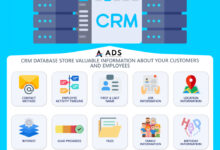
A cloud based WhatsApp CRM integrates the WhatsApp Business API with cloud-hosted customer relationship management (CRM) software. This allows businesses to manage customer interactions, automate responses, track conversations, and store customer data—all from a centralized online platform. Unlike traditional CRM systems that rely on local servers, cloud-based solutions offer greater flexibility, scalability, and accessibility.



How It Works
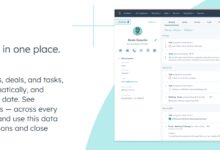
When a customer sends a message via WhatsApp, the cloud based WhatsApp CRM captures the message and links it to the customer’s profile. This integration enables businesses to respond quickly, personalize interactions, and maintain a complete communication history. The system can also trigger automated workflows, such as sending order confirmations or appointment reminders.
- Data is stored securely in the cloud, accessible from any device with internet access.
- Messages are synchronized across teams, preventing duplication and miscommunication.
- Integration with other business tools like email, helpdesk software, and e-commerce platforms enhances functionality.
“The fusion of WhatsApp’s massive user base with CRM automation is a game-changer for customer service.” — TechRadar, 2023
Key Components of a Cloud Based WhatsApp CRM
A robust cloud based WhatsApp CRM consists of several core components that work together to streamline customer communication. These include message routing, contact management, automation engines, analytics dashboards, and API integrations.
- Message Routing: Directs incoming messages to the right agent or department based on keywords, customer history, or predefined rules.
- Contact Management: Stores customer details, interaction history, preferences, and purchase behavior in a unified database.
- Automation Engine: Enables chatbots, auto-replies, and workflow triggers to reduce manual effort and improve response times.
Why Businesses Are Adopting Cloud Based WhatsApp CRM
The shift toward digital communication has accelerated the adoption of cloud based WhatsApp CRM solutions across industries. With over 2 billion users worldwide, WhatsApp offers unparalleled reach, especially in emerging markets like India, Brazil, and Indonesia. Businesses leverage this platform to deliver timely, personalized, and secure customer service.
Global Reach and High Engagement
WhatsApp boasts a 98% message open rate, significantly higher than email or SMS. This makes it an ideal channel for customer engagement. A cloud based WhatsApp CRM allows companies to scale their outreach without sacrificing personalization.
- Businesses can send targeted promotions, shipping updates, and support messages directly to customers’ phones.
- Support for multimedia messages (images, videos, PDFs) enhances communication quality.
- End-to-end encryption ensures customer privacy and builds trust.
Cost-Effective Customer Support
Traditional call centers require significant investment in infrastructure and personnel. In contrast, a cloud based WhatsApp CRM reduces operational costs by automating routine inquiries and enabling remote agent collaboration.
- Chatbots handle frequently asked questions, freeing human agents for complex issues.
- Cloud infrastructure eliminates the need for on-premise servers and IT maintenance.
- Pay-as-you-go pricing models make it affordable for SMEs and startups.
Top Features of a Modern Cloud Based WhatsApp CRM
Advanced cloud based WhatsApp CRM platforms offer a suite of features designed to enhance customer experience and streamline operations. These tools go beyond simple messaging to provide intelligent automation, real-time analytics, and seamless integrations.
Automated Messaging and Chatbots
Automation is at the heart of a cloud based WhatsApp CRM. Businesses can set up chatbots to greet customers, collect basic information, and guide them through common processes like booking appointments or tracking orders.
- Natural Language Processing (NLP) enables chatbots to understand and respond to complex queries.
- Predefined message templates ensure consistency and compliance.
- Escalation rules route conversations to human agents when needed.
“Automation in WhatsApp CRM can reduce response time by up to 80%, significantly improving customer satisfaction.” — Gartner, 2022
Multi-Agent Collaboration
Unlike personal WhatsApp accounts, a cloud based WhatsApp CRM supports team-based messaging. Multiple agents can access the same inbox, assign conversations, and collaborate on customer issues without confusion.
- Role-based access control ensures data security and accountability.
- Internal notes and tagging help teams coordinate effectively.
- Real-time status updates prevent duplicate responses.
Analytics and Reporting
Data-driven decision-making is crucial for business growth. A cloud based WhatsApp CRM provides detailed analytics on message delivery rates, response times, customer satisfaction, and agent performance.
- Visual dashboards display key metrics at a glance.
- Exportable reports support strategic planning and audits.
- Conversion tracking helps measure the ROI of WhatsApp campaigns.
Integration Capabilities of Cloud Based WhatsApp CRM
One of the biggest advantages of a cloud based WhatsApp CRM is its ability to integrate with existing business systems. This creates a unified ecosystem where customer data flows seamlessly between platforms, eliminating silos and improving efficiency.
CRM and ERP Integration
Integrating a cloud based WhatsApp CRM with enterprise resource planning (ERP) or traditional CRM systems like Salesforce or HubSpot ensures that customer interactions are recorded alongside sales, inventory, and service data.
- Customer profiles are automatically updated with WhatsApp conversation history.
- Sales teams can follow up on leads generated via WhatsApp.
- Service departments can access order details directly within the chat interface.
For example, Salesforce offers integration with WhatsApp through its Service Cloud, enabling businesses to manage customer service across multiple channels.
E-Commerce and Payment Platforms
For online retailers, integrating a cloud based WhatsApp CRM with e-commerce platforms like Shopify or WooCommerce allows for end-to-end customer management—from product inquiries to order fulfillment and payment collection.
- Customers can browse catalogs, place orders, and make payments directly via WhatsApp.
- Automated order confirmations and shipping updates keep customers informed.
- Integration with payment gateways like Stripe or PayPal enables secure transactions.
According to Shopify, merchants using WhatsApp for sales report a 30% increase in conversion rates.
Helpdesk and Ticketing Systems
Cloud based WhatsApp CRM can be linked to helpdesk software like Zendesk or Freshdesk, transforming WhatsApp messages into support tickets. This ensures that no customer inquiry is missed and enables proper tracking and resolution.
- Incoming messages are automatically converted into tickets with priority levels.
- Agents can respond from within the helpdesk interface.
- SLA (Service Level Agreement) tracking ensures timely resolution.
Security and Compliance in Cloud Based WhatsApp CRM
While WhatsApp offers end-to-end encryption, businesses must ensure that their cloud based WhatsApp CRM complies with data protection regulations such as GDPR, CCPA, and HIPAA. This is especially critical for industries handling sensitive customer information.
Data Encryption and Access Control
Reputable cloud based WhatsApp CRM providers use advanced encryption protocols to protect data both in transit and at rest. Multi-factor authentication (MFA) and role-based access ensure that only authorized personnel can view or modify customer data.
- Encryption standards like AES-256 and TLS 1.3 are commonly used.
- Regular security audits and penetration testing help identify vulnerabilities.
- Session timeouts and device management prevent unauthorized access.
Compliance with Global Regulations
Businesses operating in multiple regions must adhere to local data privacy laws. A compliant cloud based WhatsApp CRM should offer features like data localization, consent management, and audit trails.
- GDPR compliance requires clear opt-in mechanisms and the right to data erasure.
- CCPA mandates transparency about data collection and usage.
- HIPAA-compliant solutions are essential for healthcare providers using WhatsApp for patient communication.
“Over 60% of businesses using cloud CRM solutions report improved compliance with data protection laws.” — IBM Security Report, 2023
Choosing the Right Cloud Based WhatsApp CRM Provider
With numerous providers in the market, selecting the right cloud based WhatsApp CRM can be challenging. Businesses should evaluate vendors based on features, pricing, scalability, customer support, and integration capabilities.
Key Evaluation Criteria
Before committing to a provider, assess the following factors to ensure the solution meets your business needs:
- Scalability: Can the platform handle increased message volume during peak seasons?
- Uptime and Reliability: Look for providers with 99.9% SLA guarantees.
- Customer Support: 24/7 support via chat, email, or phone is essential for troubleshooting.
- Onboarding and Training: Does the provider offer tutorials, documentation, and onboarding assistance?
Popular providers like Twilio and MessageBird offer robust cloud based WhatsApp CRM solutions with extensive documentation and developer support.
Free Trials and Demos
Most providers offer free trials or sandbox environments to test the platform before purchase. Take advantage of these to evaluate user experience, automation capabilities, and integration ease.
- Test message delivery speed and reliability.
- Experiment with chatbot workflows and template creation.
- Assess the analytics dashboard and reporting features.
Real-World Applications of Cloud Based WhatsApp CRM
Cloud based WhatsApp CRM is not limited to a single industry. Its versatility makes it valuable across sectors including e-commerce, healthcare, education, banking, and logistics.
E-Commerce and Retail
Online stores use cloud based WhatsApp CRM to provide personalized shopping experiences. Customers can ask questions about products, receive size recommendations, and complete purchases—all within a chat.
- Abandoned cart recovery messages increase sales.
- Post-purchase follow-ups improve customer retention.
- Feedback requests help gather reviews and testimonials.
Healthcare and Telemedicine
Hospitals and clinics use cloud based WhatsApp CRM for appointment scheduling, prescription reminders, and patient follow-ups. This improves care coordination and reduces no-show rates.
- Automated reminders reduce missed appointments by up to 50%.
- Secure messaging allows doctors to share test results with patients.
- Integration with electronic health records (EHR) ensures data accuracy.
Banking and Financial Services
Banks leverage cloud based WhatsApp CRM to deliver account updates, fraud alerts, and loan application support. The platform’s security features make it suitable for sensitive financial communications.
- Customers receive real-time transaction alerts.
- Chatbots assist with balance inquiries and fund transfers.
- Secure links enable document submission for KYC verification.
According to a McKinsey report, banks using WhatsApp for customer service have seen a 40% reduction in call center volume.
What is a cloud based WhatsApp CRM?
A cloud based WhatsApp CRM is a customer relationship management system hosted on the cloud that integrates with WhatsApp Business API to enable businesses to manage customer conversations, automate responses, and store interaction data securely online.
How does a cloud based WhatsApp CRM improve customer service?
It improves customer service by enabling faster response times through automation, providing 24/7 support via chatbots, offering multi-agent collaboration, and maintaining a complete history of customer interactions for personalized service.
Is WhatsApp CRM secure for business use?
Yes, when implemented through official API partners and compliant platforms, WhatsApp CRM is secure. It uses end-to-end encryption, and reputable cloud based WhatsApp CRM providers adhere to data protection regulations like GDPR and HIPAA.
Can I integrate WhatsApp CRM with my existing tools?
Yes, most cloud based WhatsApp CRM platforms offer integrations with popular tools like Salesforce, Shopify, Zendesk, and Google Workspace, allowing seamless data flow across systems.
What industries benefit most from cloud based WhatsApp CRM?
E-commerce, healthcare, banking, education, and logistics are among the top industries benefiting from cloud based WhatsApp CRM due to high customer interaction volumes and the need for timely, secure communication.
Adopting a cloud based WhatsApp CRM is no longer just an option—it’s a strategic necessity for businesses aiming to deliver exceptional customer experiences. From automating routine tasks to enabling secure, personalized communication at scale, this technology empowers organizations to stay competitive in a digital-first world. By choosing the right provider, ensuring compliance, and leveraging integrations, companies can unlock the full potential of WhatsApp as a business communication channel. The future of customer engagement is here, and it’s powered by the cloud.
Further Reading: