In today’s fast-paced digital world, cloud based CRM systems examples are transforming how businesses manage customer relationships. Discover the most powerful, scalable, and user-friendly platforms driving sales and satisfaction.
What Are Cloud Based CRM Systems?

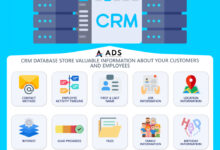
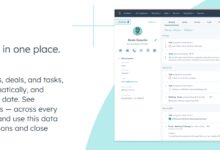
Cloud based CRM systems are software solutions hosted on remote servers, accessible via the internet. Unlike traditional on-premise CRM software, these systems eliminate the need for local installations, offering businesses greater flexibility, lower upfront costs, and seamless scalability. They centralize customer data—such as contact information, interaction history, sales pipelines, and support tickets—into a single, secure platform accessible from anywhere, on any device.



How Cloud CRM Differs from On-Premise CRM
Traditional CRM systems require companies to purchase licenses, install software on local servers, and maintain IT infrastructure. This often leads to high capital expenditures, complex updates, and limited accessibility. In contrast, cloud based CRM systems examples operate on a subscription model (SaaS), where the provider manages hosting, security, and updates. This shift reduces IT overhead and allows teams to focus on customer engagement rather than system maintenance.
- Lower initial investment
- Automatic software updates
- Remote access from any location
- Scalability based on business needs
According to Gartner, over 80% of new CRM deployments in 2023 were cloud-based, highlighting a clear industry shift.
Key Benefits of Using Cloud CRM
Adopting a cloud based CRM system offers transformative advantages. First, it enhances collaboration across departments by providing real-time access to customer data. Sales, marketing, and customer service teams can work from the same unified platform, reducing silos and improving response times.
- Improved customer insights through centralized data
- Faster deployment—some systems go live in under 48 hours
- Integration with email, social media, and e-commerce platforms
- Disaster recovery and data backup handled by the provider
“The cloud has democratized CRM technology, making enterprise-grade tools accessible to startups and SMBs alike.” — CRM Industry Analyst, Forrester Research
Top 7 Cloud Based CRM Systems Examples
With dozens of CRM platforms available, choosing the right one can be overwhelming. Below is a curated list of the top 7 cloud based CRM systems examples, evaluated based on features, ease of use, scalability, integration capabilities, and customer support. These platforms represent the best-in-class solutions for businesses of all sizes.
1. Salesforce Sales Cloud
Salesforce is the undisputed leader in the CRM space, with a market share exceeding 19% as of 2023 (Statista). The Sales Cloud is its flagship product, designed for sales automation, lead management, and pipeline tracking.
cloud based crm systems examples – Cloud based crm systems examples menjadi aspek penting yang dibahas di sini.
- AI-powered insights with Einstein Analytics
- Extensive AppExchange ecosystem with over 3,000 integrations
- Highly customizable dashboards and workflows
Salesforce is ideal for mid-sized to large enterprises seeking deep customization and scalability. However, its complexity can be a barrier for small businesses without dedicated IT staff.
2. HubSpot CRM
HubSpot CRM stands out for its user-friendly interface and free tier, making it one of the most popular cloud based CRM systems examples among startups and small businesses. It offers contact management, email tracking, deal pipelines, and meeting scheduling—all at no cost.
- Seamless integration with HubSpot’s marketing, sales, and service hubs
- Intuitive drag-and-drop interface
- Automated data capture from emails and meetings
Paid tiers unlock advanced features like custom reporting, automation workflows, and team performance analytics. HubSpot’s ecosystem is particularly strong for inbound marketing strategies.
3. Zoho CRM
Zoho CRM is a cost-effective, feature-rich solution that caters to small and medium-sized businesses. It offers AI-driven sales forecasting, multichannel communication, and robust automation tools. One of its standout features is Zia, an AI assistant that provides sales predictions and activity recommendations.
- Highly affordable pricing with a free plan for up to 3 users
- Strong integration with other Zoho applications (e.g., Books, Campaigns)
- Customizable modules for different industries
Zoho CRM is praised for its balance between functionality and affordability. It’s especially popular among businesses looking to scale without a significant budget increase.
4. Microsoft Dynamics 365 Sales
Microsoft Dynamics 365 Sales integrates seamlessly with the Microsoft ecosystem, including Outlook, Teams, and Office 365. This makes it a natural choice for organizations already invested in Microsoft products.
- Deep integration with Microsoft 365 and Power BI
- AI-driven insights for lead scoring and sales forecasting
- Flexible deployment options (cloud-only or hybrid)
Dynamics 365 is enterprise-focused, offering advanced security, compliance, and customization. While powerful, it requires more technical expertise to configure and manage effectively.
cloud based crm systems examples – Cloud based crm systems examples menjadi aspek penting yang dibahas di sini.
5. Pipedrive
Pipedrive is built for sales teams that prioritize pipeline visibility and deal management. Its visual sales pipeline is one of the most intuitive in the industry, allowing users to drag and drop deals through stages.
- Focus on sales process automation
- Mobile app with full functionality
- Strong API for custom integrations
Pipedrive excels in simplicity and usability, making it ideal for small sales teams or those new to CRM. It lacks some of the marketing and service features found in broader platforms, but its core sales functionality is top-tier.
6. Freshsales (by Freshworks)
Freshsales is a modern CRM designed for high-velocity sales teams. It combines contact management with built-in phone, email, and chat capabilities, reducing the need for third-party tools.
- AI-based lead scoring and sentiment analysis
- Integrated phone and email within the CRM
- Visual deal timeline and activity tracking
Freshsales is particularly effective for inside sales teams that rely on rapid outreach and follow-up. Its clean interface and automation features help reduce manual data entry.
7. Insightly
Insightly is a CRM and project management hybrid, ideal for businesses that manage customer relationships alongside complex projects. It’s popular among consulting firms, agencies, and professional services organizations.
- Project and task management within the CRM
- Workflow automation for lead-to-cash processes
- Strong API and integration with Google Workspace and Microsoft 365
Insightly bridges the gap between CRM and project management, offering a unified view of customer engagements and deliverables. It’s a smart choice for service-based businesses.
Key Features to Look for in Cloud Based CRM Systems
When evaluating cloud based CRM systems examples, certain features are non-negotiable for long-term success. These include contact management, sales automation, reporting, and integration capabilities. Let’s break down the most critical components.
cloud based crm systems examples – Cloud based crm systems examples menjadi aspek penting yang dibahas di sini.
Contact and Lead Management
A robust CRM must centralize all customer data—names, emails, phone numbers, company details, and interaction history. Advanced systems automatically capture data from emails, social media, and website forms, reducing manual entry.
- Duplicate detection and merging
- Custom fields for industry-specific data
- Tagging and segmentation for targeted outreach
For example, Salesforce and HubSpot use AI to enrich contact profiles with job titles, company size, and social media activity.
Sales Automation and Pipeline Tracking
Automation is a game-changer in CRM. Top platforms automate repetitive tasks like follow-up emails, task reminders, and lead assignment. Pipeline tracking provides a visual representation of where each deal stands, helping managers forecast revenue and identify bottlenecks.
- Drag-and-drop pipeline customization
- Automated lead routing based on rules
- Deal stage probability forecasting
Pipedrive and Freshsales offer some of the most intuitive pipeline tools, while Salesforce provides deeper customization for complex sales cycles.
Reporting and Analytics
Data-driven decision-making starts with strong reporting. The best cloud based CRM systems examples offer real-time dashboards, customizable reports, and predictive analytics.
- Revenue forecasting
- Sales team performance metrics
- Customer acquisition cost (CAC) and lifetime value (LTV) tracking
Microsoft Dynamics 365 integrates with Power BI for advanced data visualization, while Zoho CRM offers AI-powered sales predictions.
Integration Capabilities of Cloud CRM Platforms
No CRM operates in isolation. The ability to integrate with other business tools—such as email, marketing automation, ERP, and e-commerce—is critical. Cloud based CRM systems examples today offer extensive API access and pre-built connectors.
cloud based crm systems examples – Cloud based crm systems examples menjadi aspek penting yang dibahas di sini.
Email and Calendar Integration
Seamless integration with Gmail, Outlook, and Google Calendar ensures that every email, meeting, and call is logged automatically. This eliminates manual data entry and improves accuracy.
- Two-way sync between CRM and email
- Meeting scheduling links (e.g., HubSpot Meetings)
- Email templates and tracking (open rates, click-throughs)
HubSpot and Freshsales lead in this area, offering native email tracking and templating within the CRM interface.
Marketing Automation and Social Media
Modern CRMs connect with marketing platforms like Mailchimp, Marketo, and Facebook Ads. This enables closed-loop marketing, where campaign performance is tied directly to lead conversion and revenue.
- Lead capture from landing pages and forms
- UTM tracking for campaign attribution
- Social media monitoring and engagement
Salesforce Marketing Cloud and HubSpot’s Marketing Hub provide end-to-end campaign management within the CRM ecosystem.
E-commerce and Payment Systems
For businesses selling online, CRM integration with Shopify, WooCommerce, or Stripe is essential. These connections sync customer orders, purchase history, and support tickets directly into the CRM.
- Automated customer profile updates post-purchase
- Personalized post-sale follow-ups
- Upsell and cross-sell recommendations based on buying behavior
Zoho CRM and Insightly offer strong e-commerce integrations, making them ideal for online retailers.
Security and Data Privacy in Cloud CRM
One of the biggest concerns with cloud based CRM systems examples is data security. Since customer data is stored off-site, businesses must trust providers to protect sensitive information from breaches and unauthorized access.
cloud based crm systems examples – Cloud based crm systems examples menjadi aspek penting yang dibahas di sini.
Data Encryption and Compliance
Top CRM platforms use end-to-end encryption (AES-256) for data at rest and in transit. They also comply with global regulations such as GDPR, CCPA, and HIPAA.
- Regular third-party security audits
- Two-factor authentication (2FA) and single sign-on (SSO)
- Data residency options (e.g., EU-only servers)
Salesforce and Microsoft Dynamics 365 are leaders in compliance, offering extensive documentation and certification for enterprise clients.
User Access and Role-Based Permissions
Not all employees need access to all data. Role-based permissions allow administrators to control who can view, edit, or delete records.
- Custom roles and permission sets
- Audit trails for data changes
- Field-level security to hide sensitive information
These features are crucial for maintaining data integrity and preventing internal misuse.
Implementation and Onboarding Process
Even the best CRM will fail if not implemented correctly. A smooth onboarding process ensures user adoption and maximizes ROI. Cloud based CRM systems examples vary widely in deployment speed and support quality.
Setup and Data Migration
Most platforms offer guided setup wizards and data import tools. CSV uploads are standard, but some (like Salesforce) support API-based migration from legacy systems.
- Data cleansing and deduplication tools
- Pre-built templates for common industries
- Import validation to prevent errors
HubSpot and Zoho CRM provide free migration assistance for new customers, reducing friction during onboarding.
cloud based crm systems examples – Cloud based crm systems examples menjadi aspek penting yang dibahas di sini.
Training and Customer Support
User adoption depends on training. Leading CRMs offer video tutorials, knowledge bases, live webinars, and dedicated support teams.
- 24/7 customer support (phone, chat, email)
- Certification programs (e.g., Salesforce Trailhead)
- Community forums and user groups
Salesforce’s Trailhead is one of the most comprehensive learning platforms, with gamified modules for all skill levels.
Cost Comparison of Top Cloud CRM Platforms
Pricing is a major factor when selecting cloud based CRM systems examples. While some offer free tiers, others charge hundreds per user per month. Understanding the cost structure helps avoid unexpected expenses.
Subscription Models and Hidden Fees
Most CRMs use a per-user, per-month pricing model. However, additional costs can arise from add-ons, storage overages, or premium support.
- Free tier: HubSpot CRM (up to 1M contacts)
- Entry-level: Zoho CRM ($14/user/month)
- Mid-tier: Pipedrive ($14.90/user/month)
- Premium: Salesforce Sales Cloud ($25/user/month starter, up to $300+)
Always check for minimum user requirements and contract length. Some vendors lock users into annual plans with no refunds.
ROI and Long-Term Value
The true cost of a CRM isn’t just the subscription fee—it’s the return on investment. A well-implemented CRM can increase sales productivity by 20-30% (Nucleus Research).
- Reduced administrative time
- Higher conversion rates from automation
- Better customer retention through personalized service
For small businesses, HubSpot or Zoho CRM offer the best value. Enterprises may justify the cost of Salesforce or Dynamics 365 for their scalability and integration depth.
cloud based crm systems examples – Cloud based crm systems examples menjadi aspek penting yang dibahas di sini.
What are the best cloud based CRM systems for small businesses?
HubSpot CRM, Zoho CRM, and Pipedrive are among the best cloud based CRM systems examples for small businesses. They offer free or low-cost plans, easy setup, and essential features like contact management, pipeline tracking, and email integration. HubSpot’s free tier is particularly powerful for startups.
Can cloud CRM systems be customized?
Yes, most cloud based CRM systems examples offer extensive customization. Salesforce and Microsoft Dynamics 365 allow deep configuration of fields, workflows, and automation. Even simpler platforms like Pipedrive and Freshsales support custom pipelines and fields. Customization ensures the CRM aligns with your business processes.
Is my data safe in a cloud CRM?
Reputable cloud CRM providers invest heavily in security. They use encryption, regular audits, and compliance certifications to protect data. However, businesses must also enforce strong passwords, enable 2FA, and train employees on data handling. Overall, cloud CRM is often more secure than on-premise systems due to professional-grade infrastructure.
How long does it take to implement a cloud CRM?
cloud based crm systems examples – Cloud based crm systems examples menjadi aspek penting yang dibahas di sini.
Implementation time varies. Simple CRMs like HubSpot or Pipedrive can be set up in under a day. More complex systems like Salesforce may take weeks or months, depending on customization and data migration needs. Many vendors offer onboarding services to accelerate the process.
Do cloud CRM systems work offline?
Most cloud CRM systems require an internet connection for full functionality. However, some offer limited offline access via mobile apps. Salesforce and Zoho CRM allow users to view and edit records offline, with data syncing once reconnected. This is useful for sales reps in low-connectivity areas.
Choosing the right cloud based CRM systems examples is a strategic decision that impacts sales efficiency, customer satisfaction, and long-term growth. From the enterprise-grade power of Salesforce to the simplicity of HubSpot and the affordability of Zoho, there’s a solution for every business. Key considerations include ease of use, integration capabilities, security, and total cost of ownership. By evaluating your team’s needs and aligning them with the right platform, you can unlock the full potential of customer relationship management in the cloud era.
Further Reading: