Discover the game-changing cloud based CRM benefits that are transforming how businesses connect with customers. From scalability to real-time insights, find out why modern companies are making the switch.
Cloud Based CRM Benefits: Revolutionizing Modern Business Operations

In today’s fast-paced digital landscape, businesses need tools that are agile, scalable, and intelligent. Enter cloud-based CRM systems—platforms that have redefined how organizations manage customer relationships. Unlike traditional on-premise software, cloud CRM solutions are hosted on remote servers and accessed via the internet, offering unparalleled flexibility and efficiency. According to a report by Gartner, the global CRM market is projected to exceed $80 billion by 2025, with cloud-based platforms dominating the space.


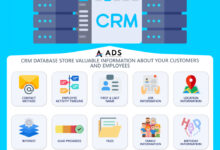
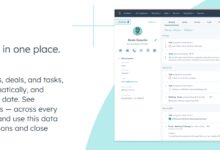

These systems are not just about storing customer data—they are comprehensive tools that streamline sales, marketing, customer service, and analytics. The shift to cloud-based CRM is driven by the need for real-time data access, reduced IT overhead, and improved collaboration across teams. Whether you’re a startup or a multinational corporation, understanding the cloud based CRM benefits is essential for staying competitive.
What Is a Cloud-Based CRM?
A cloud-based Customer Relationship Management (CRM) system is a software solution hosted on external servers managed by a third-party provider. Users access the platform through a web browser or mobile app, eliminating the need for local installation and maintenance. This model operates on a subscription basis, often referred to as Software as a Service (SaaS).
Popular examples include Salesforce, HubSpot, Zoho CRM, and Microsoft Dynamics 365. These platforms offer modular features that can be customized to fit various business needs, from lead tracking to automated email campaigns. Because the infrastructure is managed by the provider, businesses can focus on strategy and customer engagement rather than technical upkeep.
cloud based crm benefits – Cloud based crm benefits menjadi aspek penting yang dibahas di sini.
How Cloud CRM Differs from On-Premise CRM
Traditional on-premise CRM systems require businesses to purchase licenses, install software on local servers, and manage updates and security in-house. This model demands significant upfront investment and ongoing IT support. In contrast, cloud-based CRM eliminates these burdens by offering:
- Lower initial costs
- Automatic software updates
- Remote accessibility from any device
- Scalability based on business needs
“The cloud has democratized access to enterprise-grade tools. Now even small businesses can leverage powerful CRM capabilities without massive IT budgets.” — TechCrunch, 2023
Top 7 Cloud Based CRM Benefits for Businesses
The adoption of cloud-based CRM is no longer a luxury—it’s a strategic necessity. Below are seven powerful benefits that highlight why organizations across industries are making the switch.
1. Cost Efficiency and Predictable Spending
One of the most compelling cloud based CRM benefits is cost savings. Traditional CRM systems often involve high upfront costs for software licenses, hardware, and IT personnel. Cloud CRM operates on a pay-as-you-go or subscription model, allowing businesses to pay only for what they use.
This financial model improves cash flow and budgeting. For example, a small business might start with a basic plan at $15/user/month and scale up as the team grows. According to a study by Nucleus Research, companies using cloud CRM achieve an average return on investment (ROI) of $8.71 for every dollar spent.
- No need for physical servers or data centers
- Reduced IT staffing and maintenance costs
- Lower energy and infrastructure expenses
2. Enhanced Accessibility and Remote Work Enablement
In an era where remote and hybrid work models are the norm, cloud CRM systems provide seamless access from anywhere in the world. Sales teams can update client records from a client site, support agents can resolve issues from home, and managers can monitor performance in real time—all through a secure internet connection.
cloud based crm benefits – Cloud based crm benefits menjadi aspek penting yang dibahas di sini.
This level of accessibility fosters collaboration and ensures business continuity. During the 2020 pandemic, companies with cloud CRM systems adapted faster to remote operations than those relying on on-premise solutions. The ability to work from any device—laptop, tablet, or smartphone—ensures that customer interactions are never delayed.
“Our sales team closed 30% more deals during lockdowns because everyone had instant access to customer data via our cloud CRM.” — Marketing Director, Mid-Sized Tech Firm
3. Rapid Deployment and Easy Scalability
Deploying a traditional CRM system can take weeks or even months. Cloud-based CRMs, on the other hand, can be up and running in days. Most providers offer guided setup wizards, pre-built templates, and integration with popular tools like Gmail, Outlook, and Slack.
Scalability is another major advantage. As your business grows, you can easily add new users, upgrade features, or expand storage without overhauling your entire system. This flexibility is especially valuable for startups and fast-growing companies that need to adapt quickly to market demands.
- Quick onboarding with minimal training
- Instant access to new features via automatic updates
- Flexible user licensing (add or remove users anytime)
4. Real-Time Data Synchronization and Collaboration
Cloud CRM systems ensure that all team members are working with the most up-to-date information. When a sales rep logs a call, the update is instantly visible to customer service and marketing teams. This real-time synchronization eliminates data silos and reduces the risk of miscommunication.
Collaboration tools like shared calendars, task assignments, and internal messaging further enhance teamwork. For example, a marketing team can launch a campaign based on real-time sales data, ensuring alignment across departments. This level of integration leads to faster decision-making and improved customer experiences.
cloud based crm benefits – Cloud based crm benefits menjadi aspek penting yang dibahas di sini.
5. Advanced Security and Data Protection
Many businesses hesitate to adopt cloud solutions due to security concerns. However, reputable cloud CRM providers invest heavily in cybersecurity. They employ encryption, multi-factor authentication, regular audits, and compliance with international standards like GDPR, HIPAA, and SOC 2.
In fact, cloud providers often offer better security than most on-premise systems. A report by IBM found that cloud-based systems experienced fewer data breaches than on-premise setups, largely due to proactive threat monitoring and automated patching.
- End-to-end data encryption (in transit and at rest)
- Regular automated backups and disaster recovery
- Role-based access control to protect sensitive information
6. Seamless Integration with Third-Party Tools
Modern cloud CRM platforms are designed to integrate effortlessly with other business applications. Whether it’s email marketing tools like Mailchimp, accounting software like QuickBooks, or e-commerce platforms like Shopify, cloud CRMs act as central hubs for all customer-related data.
These integrations eliminate manual data entry, reduce errors, and create a unified view of the customer journey. For instance, when a customer makes a purchase on your website, the transaction is automatically logged in the CRM, triggering a follow-up email and updating the customer’s lifetime value.
“Integration is the secret sauce of cloud CRM. It turns isolated tools into a cohesive ecosystem.” — Forbes, 2022
7. Built-In Analytics and AI-Powered Insights
Cloud-based CRM systems come equipped with powerful analytics dashboards and artificial intelligence (AI) features. These tools help businesses uncover trends, predict customer behavior, and identify sales opportunities.
cloud based crm benefits – Cloud based crm benefits menjadi aspek penting yang dibahas di sini.
For example, AI can analyze past interactions to recommend the best time to contact a lead or predict which customers are at risk of churn. Salesforce’s Einstein AI and HubSpot’s predictive lead scoring are prime examples of how machine learning enhances CRM functionality.
- Real-time sales forecasting and pipeline tracking
- Customer segmentation based on behavior and demographics
- Automated reporting and customizable dashboards
How Cloud Based CRM Benefits Improve Sales Performance
Sales teams are among the biggest beneficiaries of cloud based CRM benefits. By centralizing customer data and automating routine tasks, these systems empower sales professionals to focus on what they do best—building relationships and closing deals.
Centralized Customer Data for 360-Degree Views
A cloud CRM consolidates all customer interactions—emails, calls, meetings, purchases, and support tickets—into a single, unified profile. This 360-degree view enables sales reps to understand customer needs, preferences, and pain points more deeply.
For example, a rep can see that a client recently attended a webinar, downloaded a pricing guide, and had a support issue resolved—all within the CRM interface. This context allows for more personalized and effective outreach, increasing the chances of conversion.
Automation of Repetitive Tasks
Manual data entry, follow-up reminders, and report generation consume valuable time. Cloud CRM automates these tasks, freeing up sales teams to focus on high-value activities.
cloud based crm benefits – Cloud based crm benefits menjadi aspek penting yang dibahas di sini.
Automated workflows can trigger actions based on customer behavior—such as sending a discount offer after a cart abandonment or scheduling a follow-up call after a demo. According to Salesforce’s State of Sales Report, high-performing sales teams are 2.3x more likely to use automation tools than underperformers.
- Auto-logging calls and emails
- Scheduled follow-ups and task reminders
- Dynamic lead assignment based on territory or workload
Improved Lead Management and Conversion Rates
Cloud CRM systems provide robust lead management features, including lead scoring, nurturing workflows, and pipeline visualization. These tools help sales teams prioritize high-quality leads and move them efficiently through the sales funnel.
Lead scoring assigns points based on engagement (e.g., website visits, email opens), allowing reps to focus on prospects most likely to convert. Automated nurturing campaigns keep leads engaged with personalized content, increasing conversion rates over time.
“Since implementing our cloud CRM, our lead-to-customer conversion rate increased by 42% in six months.” — Sales Manager, E-Commerce Brand
Cloud Based CRM Benefits for Marketing Teams
Marketing departments gain significant advantages from cloud based CRM benefits, particularly in campaign personalization, performance tracking, and cross-channel coordination.
Personalized Campaigns Using Customer Data
With access to real-time customer data, marketers can create highly targeted and personalized campaigns. Instead of sending generic emails to a broad audience, they can segment contacts based on behavior, demographics, and purchase history.
cloud based crm benefits – Cloud based crm benefits menjadi aspek penting yang dibahas di sini.
For example, a fitness brand can send tailored workout plans to customers who recently bought running shoes, or a SaaS company can offer a free trial extension to users who haven’t logged in for a week. Personalization increases engagement and conversion rates—according to Campaign Monitor, personalized emails deliver 6x higher transaction rates.
Tracking Campaign ROI and Customer Journeys
Cloud CRM platforms provide detailed analytics on campaign performance, including open rates, click-through rates, and conversion metrics. Marketers can trace the entire customer journey—from the first ad click to the final purchase—enabling them to optimize strategies based on data.
Attribution modeling helps identify which channels (social media, email, paid ads) contribute most to revenue, allowing for smarter budget allocation. This level of insight was previously available only to large enterprises but is now accessible to businesses of all sizes through cloud CRM.
- Multi-touch attribution for accurate ROI measurement
- A/B testing for subject lines, content, and CTAs
- Integration with Google Analytics and Facebook Ads
Aligning Sales and Marketing Efforts
One of the biggest challenges in business is the misalignment between sales and marketing. Cloud CRM bridges this gap by providing a shared platform where both teams can collaborate.
Marketing can see which leads are engaging with content and passing sales-ready criteria, while sales can provide feedback on lead quality. This alignment, often referred to as “Smarketing,” leads to shorter sales cycles and higher customer satisfaction.
cloud based crm benefits – Cloud based crm benefits menjadi aspek penting yang dibahas di sini.
“Our sales and marketing teams used to work in silos. Now, with our cloud CRM, we share goals, data, and success metrics.” — CMO, B2B Software Company
Enhancing Customer Service with Cloud Based CRM Benefits
Exceptional customer service is a key differentiator in today’s market. Cloud CRM systems empower support teams to deliver faster, more personalized, and consistent service across all touchpoints.
Faster Response Times and Ticket Management
Cloud CRM integrates with helpdesk software to automate ticket creation, categorization, and routing. When a customer submits a support request via email, chat, or phone, the system logs it instantly and assigns it to the appropriate agent.
Agents can view the customer’s entire history—past purchases, previous tickets, and communication logs—enabling them to resolve issues without asking repetitive questions. This reduces resolution time and improves customer satisfaction (CSAT) scores.
- Automated ticket prioritization based on urgency
- Self-service portals and knowledge bases
- Live chat and chatbot integration
Proactive Support and Customer Retention
Cloud CRM enables proactive customer service by identifying potential issues before they escalate. For example, if a customer’s subscription is about to expire, the system can trigger a renewal reminder. If a user hasn’t logged in for 30 days, a re-engagement campaign can be launched.
These proactive measures increase retention rates and reduce churn. According to Zendesk, companies that use CRM for customer service see a 25% increase in customer retention.
cloud based crm benefits – Cloud based crm benefits menjadi aspek penting yang dibahas di sini.
Unified Communication Across Channels
Customers expect seamless experiences whether they contact a company via phone, email, social media, or live chat. Cloud CRM unifies these channels into a single interface, ensuring consistent messaging and context.
For instance, if a customer starts a conversation on Twitter and continues via email, the support agent can see the full thread without switching platforms. This omnichannel approach enhances efficiency and customer satisfaction.
“Our first-contact resolution rate improved by 35% after switching to a cloud CRM with omnichannel support.” — Customer Service Lead, Retail Chain
Cloud Based CRM Benefits for Business Scalability and Growth
As businesses grow, their operational complexity increases. Cloud based CRM benefits play a crucial role in enabling scalable and sustainable growth.
Supporting Global Expansion and Multi-Location Operations
For companies expanding into new regions, cloud CRM provides a unified platform that supports multiple languages, currencies, and time zones. Teams across different countries can access the same data, follow standardized processes, and maintain brand consistency.
For example, a U.S.-based company opening an office in Germany can configure the CRM to display prices in euros, send localized emails, and assign leads based on geographic territory—all without technical overhauls.
cloud based crm benefits – Cloud based crm benefits menjadi aspek penting yang dibahas di sini.
Adapting to Changing Business Needs
Market conditions, customer preferences, and business models evolve rapidly. Cloud CRM systems are inherently flexible, allowing organizations to adapt quickly. New features, workflows, and integrations can be added with minimal disruption.
During a product launch, for instance, a temporary campaign module can be activated, and after the launch, it can be archived or repurposed. This agility ensures that the CRM grows with the business, rather than becoming a bottleneck.
- Customizable dashboards and reports
- Flexible workflow automation
- Support for mergers, acquisitions, and restructuring
Facilitating Data-Driven Decision Making
Leadership teams rely on accurate data to make strategic decisions. Cloud CRM provides real-time dashboards and KPIs that offer insights into sales performance, customer satisfaction, marketing ROI, and operational efficiency.
Executives can identify trends, forecast revenue, and allocate resources more effectively. For example, if data shows that a particular region is underperforming, leadership can deploy targeted training or marketing campaigns to address the gap.
“Our executive team makes quarterly decisions based on CRM analytics. It’s our single source of truth.” — CEO, SaaS Startup
Overcoming Common Challenges in Adopting Cloud CRM
While the cloud based CRM benefits are substantial, adoption is not without challenges. Addressing these proactively ensures a smooth transition and maximizes ROI.
cloud based crm benefits – Cloud based crm benefits menjadi aspek penting yang dibahas di sini.
Data Migration and System Integration
Moving data from legacy systems to a cloud CRM can be complex. Incomplete or inaccurate data migration can lead to lost records and operational inefficiencies. Best practices include:
- Conducting a data audit before migration
- Cleaning and standardizing data (e.g., removing duplicates)
- Using migration tools provided by the CRM vendor
Most providers offer professional services or partner networks to assist with integration, ensuring minimal downtime.
User Adoption and Training
Even the best CRM will fail if employees don’t use it. Resistance to change is common, especially among long-time staff accustomed to old systems. To drive adoption:
- Provide hands-on training and onboarding
- Highlight time-saving benefits and personal productivity gains
- Appoint internal champions to advocate for the system
Regular feedback loops and continuous learning programs help sustain engagement.
Ensuring Data Privacy and Compliance
With increasing regulations like GDPR and CCPA, businesses must ensure their CRM complies with data protection laws. Cloud providers typically offer compliance features, but organizations must:
cloud based crm benefits – Cloud based crm benefits menjadi aspek penting yang dibahas di sini.
- Configure privacy settings correctly
- Train staff on data handling policies
- Conduct regular audits and risk assessments
Choosing a CRM with built-in compliance tools reduces legal risks and builds customer trust.
Future Trends in Cloud Based CRM Technology
The evolution of cloud CRM is far from over. Emerging technologies are set to amplify the cloud based CRM benefits even further.
Artificial Intelligence and Predictive Analytics
AI will continue to play a larger role in CRM, enabling predictive lead scoring, sentiment analysis, and automated customer service. Future systems may anticipate customer needs before they’re expressed, offering hyper-personalized experiences.
Mobile-First and Voice-Activated Interfaces
As mobile usage grows, CRM platforms are optimizing for smartphones and tablets. Voice-activated assistants (e.g., CRM commands via Alexa or Siri) could allow hands-free data entry and updates, especially useful for field sales teams.
Blockchain for Secure Customer Data
Blockchain technology may be integrated into CRM systems to enhance data security and transparency. Immutable customer records could prevent tampering and build trust in data integrity.
cloud based crm benefits – Cloud based crm benefits menjadi aspek penting yang dibahas di sini.
“The future of CRM isn’t just about managing relationships—it’s about anticipating them.” — Harvard Business Review, 2023
What are the main cloud based CRM benefits?
The primary benefits include cost savings, remote accessibility, rapid deployment, real-time data synchronization, enhanced security, seamless integrations, and advanced analytics. These advantages improve sales, marketing, customer service, and overall business scalability.
Is cloud CRM secure for sensitive customer data?
Yes, reputable cloud CRM providers use enterprise-grade security measures such as encryption, multi-factor authentication, and compliance with international data protection regulations. In many cases, cloud systems are more secure than on-premise solutions.
Can small businesses benefit from cloud CRM?
cloud based crm benefits – Cloud based crm benefits menjadi aspek penting yang dibahas di sini.
Absolutely. Cloud CRM levels the playing field by offering affordable, scalable solutions tailored to small businesses. With low entry costs and easy setup, even startups can leverage powerful customer management tools.
How does cloud CRM improve customer service?
It enables faster response times, unified communication across channels, proactive support, and a complete view of customer history—leading to higher satisfaction and retention rates.
What should I consider when choosing a cloud CRM?
Key factors include ease of use, integration capabilities, scalability, security features, customer support, and pricing. It’s also important to assess your business needs and involve stakeholders in the selection process.
cloud based crm benefits – Cloud based crm benefits menjadi aspek penting yang dibahas di sini.
Cloud based CRM benefits are transforming the way businesses operate, offering unmatched flexibility, efficiency, and insight. From reducing costs to enabling global growth, these systems are essential tools for modern organizations. By leveraging real-time data, automation, and AI, companies can build stronger customer relationships and drive sustainable success. As technology evolves, the capabilities of cloud CRM will only expand, making now the ideal time to adopt and optimize this powerful solution.
Further Reading: